Finding the Right Jamestown Tiny Home Builder for Quality Tiny Home Solutions
Finding the Right Jamestown Tiny Home Builder for Quality Tiny Home Solutions
Blog Article
Dependable Home Builder: Crafting Your Dream Home
Choosing a trustworthy home builder is a pivotal step in converting a dream into a tangible outcome. This decision can greatly influence the building phase and general contentment. Key qualities such as ability to communicate, industry experience, and a strong standing are vital. Recognizing these elements can lead to a more smooth process. Yet, many homeowners overlook important aspects that can affect their journey. What should they think about before making this important choice?
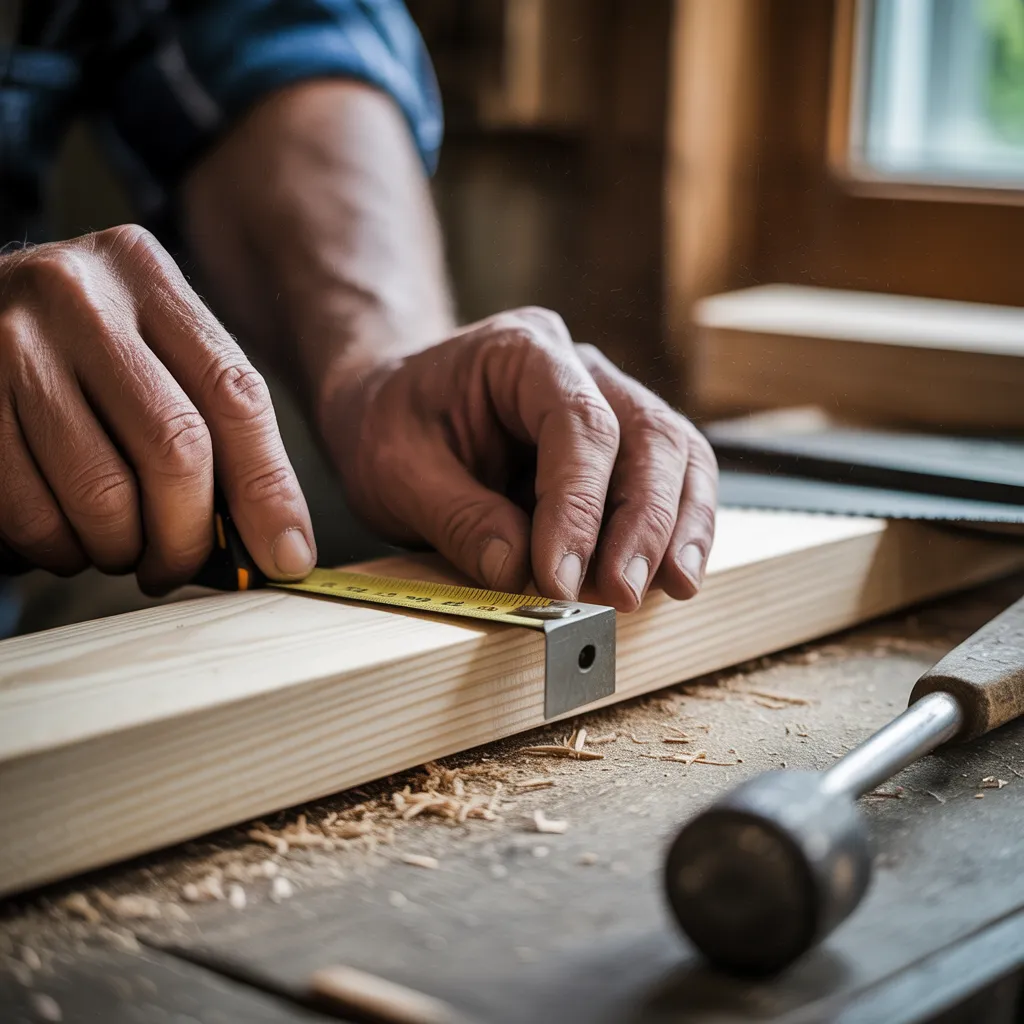
Vital Qualities of a Reliable Home Builder
In choosing a home builder, the foundation of a strong partnership stems from their core qualities. A dependable home builder exhibits superior communication skills, guaranteeing openness across the construction timeline. They need to possess extensive professional background, which equips them to tackle challenges and deliver quality results. Meticulous precision is one more crucial quality; it represents their commitment to superior craftsmanship and adherence to building codes.
Additionally, a reputable builder should build a solid reputation, reinforced by glowing reviews and customer references. This credibility is often established on trustworthiness and responsibility in meeting timelines and budget constraints. Flexibility is also a key aspect, as a builder must be attentive to client remarks and willing to adapt plans as necessary. All things considered, these attributes collectively to foster a partnership-based environment, indispensable for making a customer's vision a working reality.
Rewards of Finding the Correct Builder for Your Desired Residence
Identifying the right builder significantly improves the home construction experience, converting ideas into concrete outcomes. A skilled builder not only brings professional ability and experience but also ensures adherence to timelines and budgets. This reliability fosters peace of mind for homeowners, knowing their property investment is in trustworthy hands.
Additionally, a trustworthy contractor often has established relationships with vendors and trade partners, leading to superior materials and workmanship. This can result in a sturdier and more cost-effective home, ultimately lowering long-term repair expenses.
Moreover, the competent contractor provides valuable insights during the development stage, adapting the home to meet specific needs and preferences. Their comprehension of jurisdictional requirements and structural standards can accelerate the regulatory procedure, minimizing interruptions.
In the final analysis, selecting the appropriate builder establishes a sturdy foundation for a flourishing initiative, enhancing satisfaction and confirming that the dream home materializes a genuine achievement.
What Awaits During Your Home Construction Journey?
What might property owners encounter during the home building journey? The process kicks off with an preliminary discussion, where property owners outline their aspirations and financial parameters with the builder. This stage often incorporates site selection and obtaining necessary permits, which can take time and call for patience.
Once planning is initiated, construction phases commence, consisting of groundwork, framing, and utilities installation. Homeowners should expect periodic updates and frequent site visits to monitor progress. Challenges may arise, such as weather delays or lack of materials, which are frequent in the building process.
As the assignment moves toward completion, homeowners will engage in final appraisals, making certain everything meets their expectations. This progression culminates in the delightful moment of claiming the keys to their new home. Throughout this journey, clear communication with the builder is essential to surmount challenges and promise that the final result accords with the homeowner's vision.
Top Questions to Vet Your Home Builder
When choosing a home builder, it's crucial to assess their qualifications and background to ensure they have a solid history of success. Moreover, examining their responsiveness and communication skills can provide insight into how efficiently they will oversee the building process. Posing the right questions can help prospective homeowners make informed decisions.
Background and Credentials
When potential homeowners begin on the process of building their ideal residence, comprehending a builder's qualifications and background becomes essential. Evaluating a builder's track record is vital; years guide in the industry often demonstrate dependability and skill. Homeowners should ask regarding finished work, focusing on quality and design that align with their goals. Certifications and licenses further confirm a contractor's professionalism and adherence to industry standards. Additionally, checking for affiliations with trade associations can shed light on the contractor's dedication to continuous learning and quality standards. Homeowners should also obtain testimonials from previous customers to gauge contentment and results. Ultimately, appraising qualifications and background lays a strong foundation for a successful building partnership.
Engagement and Responsiveness
How effectively a builder shares information can largely shape the home-building experience. Homebuyers ought to examine a builder’s responsiveness during the first inquiries. Questions to contemplate include: How promptly does the builder return calls or emails? Are they willing to meet in person to discuss project details? Effective communication not only builds trust but also guarantees that expectations are clear. Additionally, find out about the ways updates are given throughout the building process. Are there regular updates provided to homeowners? Are there established channels for addressing concerns? A builder’s open and consistent engagement can indicate their commitment to satisfying customers. At the end of the day, clear communication and responsiveness are crucial for a seamless and successful home-building journey.
A Guide to Analyzing Home Builder Feedback
What points should one consider when analyzing home builder feedback? First, it is important to examine the source of the reviews. Credible websites or sites with verified customer feedback strengthen credibility in the feedback. Next, potential purchasers should identify recurring themes in the reviews. Regular comments pertaining to workmanship, communication, and speed can provide insight on the builder's credibility.
Moreover, separating personal views from objective facts is important. Comments about individual moments may vary, but specific details about craftsmanship or project completion can deliver useful information.
Further, the pace of the reviews holds importance; recent feedback often reflects a builder's current execution and methods. Finally, weigh the overall rating combined with individual reviews, as a high average may indicate a generally favorable image despite a few negative experiences. By carefully reviewing these factors, one can make a more strategic decision when selecting a home builder.
Tips for Establishing a Solid Connection With Your Builder
Building a firm relationship with a home builder depends on effective communication and explicit expectations. Creating open channels for dialogue allows both sides to voice concerns and updates throughout the construction process. Furthermore, defining specific expectations from the outset builds a collaborative environment, increasing overall project satisfaction.
Develop Clear Exchange Routes
Effective interaction acts as the cornerstone of a effective relationship between homeowners and builders. Setting up open communication channels fosters openness and trust throughout the construction process. Homeowners should prioritize regular check-ins, using various methods such as emails, phone calls, or in-person meetings to make sure that concerns are addressed quickly. Builders, in turn, should provide updates on project progress and any potential challenges, facilitating a two-way dialogue. This proactive approach helps to minimize misunderstandings and promotes a team-oriented atmosphere. Additionally, homeowners should feel comfortable sharing questions or suggestions, while builders should remain attentive and responsive. By nurturing these open lines of communication, both parties can work together effectively, ultimately leading to a more fulfilling home-building experience.
Create Well-Defined Expectations
When homeowners and builders establish transparent communication from the start, the groundwork for a strong relationship is created. This transparency helps both parties understand project schedules, budget constraints, and design preferences, minimizing misunderstandings. Homeowners should express their vision and key objectives, while builders must convey feasibility and potential challenges. Regular check-ins throughout the process guarantee that any modifications are made jointly. Creating a detailed contract that outlines duties, deadlines, and payment schedules further strengthens this understanding. By prioritizing transparency, both homeowners and builders can cultivate trust and responsibility. Ultimately, setting clear expectations not only improves dialogue but also contributes to an smoother construction process, leading to the fulfillment of the homeowner's dream home vision.
Frequently Inquired Questions
How Long Does It Usually Take to Build a Home?
Residential building procedures generally require six to twelve months, based on elements including complexity of design, permitting, and weather conditions. Each undertaking differs, influencing overall schedules and project completion significantly.
What Payment Options Can You Find for Home Building?
Multiple funding alternatives for home construction feature conventional loans, FHA loans, construction-to-permanent loans, and personal loans. Each option offers unique terms and conditions, permitting individuals to decide based on their financial situation and project requirements.
Is it Feasible Adjusting Details While the Construction Phase?
Yes, revisions can typically be made during the building process. However, the range and possibility are determined by the project's stage, monetary consequences, and the builder's standards, necessitating direct communication between the homeowner and the construction firm.
What Protection Do Construction Companies Commonly Furnish After Finishing?
Builders generally offer warranties encompassing structural issues, workmanship, and materials for a specified duration, often ranging from one to ten years. These warranties ensure protection against potential complications that may arise post-completion of the construction.
How Do Contractors Communicate Homeowners About Construction Delays?
Construction setbacks are customarily notified to property owners through ongoing updates through telephone or email contact. Contractors could additionally furnish written notices explaining the delay causes, anticipated completion timelines, and corrective actions being implemented to mitigate the problems.
Report this page